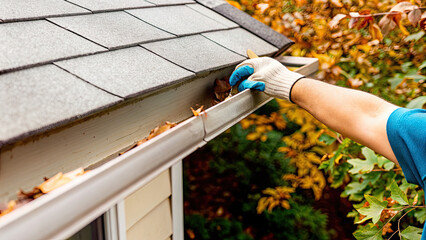
Gutters aren’t the most glamorous part of your home, but they play an important role. That’s why it’s important to keep an eye out for gutter warning signs, such as sagging, water spilling over edges during rain, or areas of peeling paint.
Left unchecked, these early warning signs lead to costly foundation damage. Catching them sooner is easier than you think. Visit Gutters Colorado Springs for more details.
1. Sagging Gutters
Gutters do more than protect your roof; they also keep soil and foundations healthy. When a gutter system isn’t working well, it can direct water right at your home’s base, soaking the ground and weakening its support. This can lead to soil erosion or even foundation damage.
Ideally, your gutters should be properly sized and positioned to handle heavy rains without sagging. However, this doesn’t always happen, and sagging gutters aren’t just unsightly. They can also cause costly damage to your siding and fascia boards.
One of the most common causes for sagging gutters is the accumulation of debris inside them over time. This can include leaves, twigs, pine needles, and other organic material that builds up, weighing down the gutter system. It can also place strain on the gutter hangers that hold them in place, causing them to bend and pull away from your house.
When the gutters begin to sag, the first thing you’ll notice is a visible dip or bow in them. Depending on the severity of the problem, you may be able to fix it by tightening loose screws or adding more hangers. If the sagging is more serious, it’s best to call a professional who can inspect your gutters and address the root cause of the issue. This will help ensure that the fixes you make are long-lasting and effective.
2. Weeds or Moss Growing in Your Gutters
Your gutters work tirelessly to protect your foundation from water damage, quietly channeling thousands of gallons away each year. But they can’t do their best job if your home’s landscape or the gutter system itself becomes overgrown or clogged. Regular cleaning, as well as recognizing and responding to warning signs of gutter issues, can keep your home safe for years to come.
Gutter debris, including leaves, twigs, bird’s nests, weeds, and general muck, can accumulate quickly and clog the system if not removed regularly. In addition to preventing proper function, this debris can deteriorate the materials and cause gutters to sag or fall off. Clogged gutters also force water to overflow and spill into the landscaping that surrounds your home. This can drown plants and create a wet environment, which attracts pests like rodents.
Moss and weeds love to grow in damp environments, and finding them in your gutters may signal that your gutter system isn’t getting the care it needs. While removing moss or weeds from your property is relatively simple, the process should always be done by trained professionals to avoid serious damage and ensure safety on ladders near rooflines.
In addition to blocking water flow, clogged gutters can cause leaks and other problems that threaten your home’s structural integrity. Gutters that don’t drain properly also prevent your roof from functioning as it should, which can damage shingles, cause leaks, and promote the growth of mold or rot. Proper gutter maintenance includes periodic inspections, downspout extensions or splash blocks to direct water far away from your home, and seasonal gutter cleaning to prevent clogs and plant growth. Regularly inspecting your gutters and addressing any wear or tear is the best way to avoid a costly foundation repair.
3. Dark Stains or Water Stains on Your Siding
Stains on your siding, especially those that are dark in color, can be a sign of moisture problems. These can be caused by a number of things including moss, mold, mildew or rust and indicate that your home’s weather barrier isn’t working as it should. This can allow water to seep behind your siding causing damage to the sheathing and insulation. It may also lead to rot and other structural issues.
The first sign of a potential moisture problem is if your paint is fading prematurely or blistering, and the sheathing underneath feels soft to the touch. It could also appear that the wall sheathing isn’t standing up straight or is sagging, and these are both early signs of water infiltration which can lead to major issues like rot or structural damage over time.
Other early signs include strange odors and musty spots on interior walls sharing space with exterior-facing walls. This is because water has penetrated the walls and caused mold, mildew and fungus to grow, which can leave stains and deteriorate the surface of your siding.
Water stains can show up as light brown marks or streaking, black or greenish patches, or even rust-colored spots on wood or composite siding. These stains can occur anywhere that the weather is hot and humid for extended periods, or where water regularly drips or pools. These stains can be a sign of serious issues with your siding or the sheathing and insulation underneath, but they can also indicate that your gutters aren’t properly aligned with your home. In these situations, it’s a good idea to call a professional to inspect your home. They’ll be able to identify the source of the staining and offer a solution.
4. Puddles Near Your Home’s Base
If you see puddles or damp spots near the foundation after heavy rains, you may have poor drainage. Without proper gutters or drainage systems, your home’s foundation is vulnerable to water damage that eventually leads to costly and irreversible structural instability.
Gutters and downspouts are designed to collect rainwater and funnel it away from your house’s foundation. But clogged, damaged, or misplaced gutters and downspouts allow water to pool around the foundation, soak the soil, and weaken support structures. Standing water around your foundation also puts pressure on walls, which causes them to lean or crack over time. Fortunately, it’s easy to spot signs of water damage around the foundation. Look for hairline cracks zigzagging up basement walls, puddles around the foundation after heavy rains, and moss or efflorescence on foundation walls.
Puddles and damp spots near your foundation can be caused by a variety of factors, but the most common cause is damaged or missing gutters and downspouts. A well-functioning gutter system directs rainfall to downspout extensions on the ground, which divert water and carry it away from your home’s foundation. When the gutters are clogged or damaged, the system can’t do its job, leaving water to pool in the yard and soak into the soil.
To prevent this from happening, check your gutters and downspouts after a rainstorm to make sure they’re clear of leaves and gunk and are extending at least 6 feet away from your home. To further protect your home’s foundation, consider installing French drains or swales, which help move surface water and underground runoff to safer areas away from the foundation. If you notice persistent problems, call a professional like Helicon to assess the damage and install draining solutions.
5. Cracks in Your Foundation
Whether they’re caused by normal settling or by structural damage, cracks in your foundation are serious and can compromise the integrity of your home. While hairline cracks usually aren’t a major concern and can be epoxy-filled, horizontal cracks running at a 45-degree angle, wider at one end than the other, or forming stair-step patterns may indicate more serious structural problems that require professional repair.
If your land slopes toward your home or your gutters are clogged and allow water to pool around your foundation, soil moisture can oversaturate and put pressure on the walls of your foundation. Similarly, plumbing leaks and extreme weather can cause materials to expand and contract and lead to foundation movement.
Regular maintenance and inspections can identify early signs of foundation issues, such as sticking doors or windows, and can help keep your home safe and stable for years to come. Maintaining good drainage, sloping your landscaping downward, installing and cleaning gutters and downspouts regularly, and using interior and exterior drain tile systems can prevent water-related foundation problems.
While the roots of trees are beautiful additions to your property, if they’re planted too close to your foundation, it can cause damage. Their extensive root systems can damage the concrete of your foundation and shift its stability, while excessive watering near your home can oversaturate soil and cause it to expand, pushing against foundation walls. Incorporating a professional landscape design and maintaining proper drainage will prevent these and other causes of foundation problems.