Author: Alec Stanley

Seasonal Landscaping Tips to Keep Your Yard Looking Great All Year

Landscaping

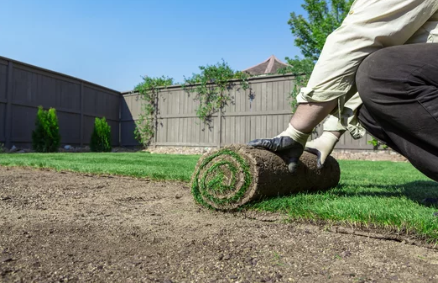
A well-kept yard doesn’t just happen in spring. True year-round beauty comes from smart, seasonal landscaping. By adjusting your approach with each season, you can maintain a healthy, colorful, and enjoyable yard throughout the year.

Below is a practical guide with seasonal tips to help your outdoor space stay in top shape throughout the year. For more information, visit Landscaping Services Honolulu HI.

Spring: Wake Up Your Yard

Spring is when your yard shakes off winter’s dormancy and bursts back to life. This is the season for refreshing, repairing, and preparing.

Key Tasks

  1. Clean Up Winter Debris
    • Remove fallen branches, dead leaves, and leftover snow damage.
    • Rake out thatch buildup so your lawn can breathe.
  2. Lawn Care
    • Aerate compacted soil to allow roots better access to water and nutrients.
    • Overseed patchy areas and apply a balanced slow-release fertilizer.
  3. Pruning and Planting
    • Prune shrubs and trees to remove dead or damaged branches.
    • Plant cool-season flowers like pansies, tulips, and daffodils for early color.
    • Begin vegetable planting with hardy crops like lettuce, broccoli, and peas.
  4. Mulching
    • Apply 2–3 inches of fresh mulch around trees and beds to retain moisture and reduce weeds.

Design Tip

Add pops of color with early-blooming annuals in pots and borders. They brighten the yard while you wait for perennials to fill in.

Summer: Keep It Thriving

Summer is the season of growth and bloom, but also heat and dryness. Your landscaping plan should focus on keeping plants hydrated, vibrant, and pest-free.

Key Tasks

  1. Smart Watering
    • Water deeply but less often to encourage strong root systems.
    • Use drip irrigation or soaker hoses to minimize evaporation.
    • Water early in the morning to reduce fungal growth and loss from heat.
  2. Lawn Maintenance
    • Mow higher (about 3 inches) to shade grass roots and conserve soil moisture.
    • Avoid fertilizing heavily in peak heat; too much nitrogen stresses lawns.
  3. Deadheading and Weeding
    • Remove spent flowers to encourage new blooms.
    • Stay on top of weeds before they go to seed.
  4. Pest and Disease Control
    • Inspect plants regularly for signs of pests.
    • Use natural solutions like neem oil or introduce beneficial insects instead of harsh chemicals.

Design Tip

Add shade with pergolas, umbrellas, or strategically placed trees. This creates comfortable outdoor living areas while protecting delicate plants.

Fall: Prep and Protect

Fall is the transition season. It’s about winding down, planting for the future, and preparing your yard for winter.

Key Tasks

  1. Leaf Management
    • Rake or mulch fallen leaves. Mulched leaves can be spread as organic matter for soil health.
  2. Lawn Care
    • Aerate one last time before winter.
    • Overseed to thicken grass for spring.
    • Apply a fall fertilizer high in potassium to strengthen roots.
  3. Planting
    • Fall is the best time to plant trees and shrubs since cooler weather reduces stress.
    • Plant spring-blooming bulbs like tulips, crocus, and hyacinths before the first frost.
  4. Pruning and Cutting Back
    • Trim perennials and cut back annuals.
    • Prune dead wood from trees, but save major pruning for late winter.
  5. Protecting Plants
    • Wrap young trees with protective burlap to guard against frost and animal damage.
    • Mulch around root zones to insulate soil.

Design Tip

Plant ornamental grasses and late-blooming flowers like mums or asters. They add fall texture and color while carrying visual interest into winter.

Winter: Care and Planning

Winter doesn’t mean neglect—it’s a season for protection and planning ahead. While growth slows, your yard still benefits from a little attention.

Key Tasks

  1. Protect Plants
    • Use burlap screens to shield sensitive shrubs from windburn.
    • Wrap trunks of young trees to prevent cracking from temperature swings.
  2. Snow and Ice Management
    • Clear snow carefully to avoid damaging branches.
    • Avoid salt near lawns and beds; use sand or pet-safe ice melt instead.
  3. Tools and Equipment
    • Clean, sharpen, and oil garden tools.
    • Service your mower and other equipment before spring.
  4. Plan and Dream
    • Sketch out next year’s landscaping projects.
    • Research new plant varieties or garden layouts.
    • Order seeds and supplies ahead of spring.

Design Tip

Incorporate evergreens and hardscapes (like stone walls, benches, or sculptures) into your landscape for winter interest. These elements provide structure when flowers and foliage are absent.

Year-Round Strategies for a Beautiful Yard

While seasonal tasks vary, some landscaping practices apply all year.

  1. Soil Health
    • Regularly test soil pH and nutrients. Healthy soil is the foundation of a thriving landscape.
  2. Native Plants
    • Choose plants that naturally thrive in your region. They require less maintenance and attract pollinators.
  3. Sustainable Practices
    • Compost yard waste to create natural fertilizer.
    • Use rain barrels to conserve water.
  4. Consistent Maintenance
    • Don’t let tasks pile up. Small, consistent effort keeps your yard from becoming overwhelming.

Final Thoughts

Seasonal landscaping is about timing, not just effort. By adjusting your approach each season—cleaning and planting in spring, maintaining through summer, protecting in fall, and planning in winter—you set your yard up for success all year. With these strategies, your outdoor space will stay vibrant, healthy, and ready to impress no matter the season.
5 Signs Your Gutters Are Silently Damaging Your Foundation

Gutters Colorado Springs

Gutters aren’t the most glamorous part of your home, but they play an important role. That’s why it’s important to keep an eye out for gutter warning signs, such as sagging, water spilling over edges during rain, or areas of peeling paint.

Left unchecked, these early warning signs lead to costly foundation damage. Catching them sooner is easier than you think. Visit Gutters Colorado Springs for more details.

1. Sagging Gutters

Gutters do more than protect your roof; they also keep soil and foundations healthy. When a gutter system isn’t working well, it can direct water right at your home’s base, soaking the ground and weakening its support. This can lead to soil erosion or even foundation damage.

Ideally, your gutters should be properly sized and positioned to handle heavy rains without sagging. However, this doesn’t always happen, and sagging gutters aren’t just unsightly. They can also cause costly damage to your siding and fascia boards.

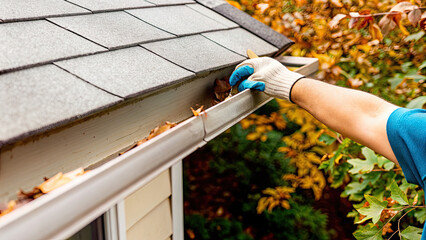
One of the most common causes for sagging gutters is the accumulation of debris inside them over time. This can include leaves, twigs, pine needles, and other organic material that builds up, weighing down the gutter system. It can also place strain on the gutter hangers that hold them in place, causing them to bend and pull away from your house.

When the gutters begin to sag, the first thing you’ll notice is a visible dip or bow in them. Depending on the severity of the problem, you may be able to fix it by tightening loose screws or adding more hangers. If the sagging is more serious, it’s best to call a professional who can inspect your gutters and address the root cause of the issue. This will help ensure that the fixes you make are long-lasting and effective.

2. Weeds or Moss Growing in Your Gutters

Your gutters work tirelessly to protect your foundation from water damage, quietly channeling thousands of gallons away each year. But they can’t do their best job if your home’s landscape or the gutter system itself becomes overgrown or clogged. Regular cleaning, as well as recognizing and responding to warning signs of gutter issues, can keep your home safe for years to come.

Gutter debris, including leaves, twigs, bird’s nests, weeds, and general muck, can accumulate quickly and clog the system if not removed regularly. In addition to preventing proper function, this debris can deteriorate the materials and cause gutters to sag or fall off. Clogged gutters also force water to overflow and spill into the landscaping that surrounds your home. This can drown plants and create a wet environment, which attracts pests like rodents.

Moss and weeds love to grow in damp environments, and finding them in your gutters may signal that your gutter system isn’t getting the care it needs. While removing moss or weeds from your property is relatively simple, the process should always be done by trained professionals to avoid serious damage and ensure safety on ladders near rooflines.

In addition to blocking water flow, clogged gutters can cause leaks and other problems that threaten your home’s structural integrity. Gutters that don’t drain properly also prevent your roof from functioning as it should, which can damage shingles, cause leaks, and promote the growth of mold or rot. Proper gutter maintenance includes periodic inspections, downspout extensions or splash blocks to direct water far away from your home, and seasonal gutter cleaning to prevent clogs and plant growth. Regularly inspecting your gutters and addressing any wear or tear is the best way to avoid a costly foundation repair.

3. Dark Stains or Water Stains on Your Siding

Stains on your siding, especially those that are dark in color, can be a sign of moisture problems. These can be caused by a number of things including moss, mold, mildew or rust and indicate that your home’s weather barrier isn’t working as it should. This can allow water to seep behind your siding causing damage to the sheathing and insulation. It may also lead to rot and other structural issues.

The first sign of a potential moisture problem is if your paint is fading prematurely or blistering, and the sheathing underneath feels soft to the touch. It could also appear that the wall sheathing isn’t standing up straight or is sagging, and these are both early signs of water infiltration which can lead to major issues like rot or structural damage over time.

Other early signs include strange odors and musty spots on interior walls sharing space with exterior-facing walls. This is because water has penetrated the walls and caused mold, mildew and fungus to grow, which can leave stains and deteriorate the surface of your siding.

Water stains can show up as light brown marks or streaking, black or greenish patches, or even rust-colored spots on wood or composite siding. These stains can occur anywhere that the weather is hot and humid for extended periods, or where water regularly drips or pools. These stains can be a sign of serious issues with your siding or the sheathing and insulation underneath, but they can also indicate that your gutters aren’t properly aligned with your home. In these situations, it’s a good idea to call a professional to inspect your home. They’ll be able to identify the source of the staining and offer a solution.

4. Puddles Near Your Home’s Base

If you see puddles or damp spots near the foundation after heavy rains, you may have poor drainage. Without proper gutters or drainage systems, your home’s foundation is vulnerable to water damage that eventually leads to costly and irreversible structural instability.

Gutters and downspouts are designed to collect rainwater and funnel it away from your house’s foundation. But clogged, damaged, or misplaced gutters and downspouts allow water to pool around the foundation, soak the soil, and weaken support structures. Standing water around your foundation also puts pressure on walls, which causes them to lean or crack over time. Fortunately, it’s easy to spot signs of water damage around the foundation. Look for hairline cracks zigzagging up basement walls, puddles around the foundation after heavy rains, and moss or efflorescence on foundation walls.

Puddles and damp spots near your foundation can be caused by a variety of factors, but the most common cause is damaged or missing gutters and downspouts. A well-functioning gutter system directs rainfall to downspout extensions on the ground, which divert water and carry it away from your home’s foundation. When the gutters are clogged or damaged, the system can’t do its job, leaving water to pool in the yard and soak into the soil.

To prevent this from happening, check your gutters and downspouts after a rainstorm to make sure they’re clear of leaves and gunk and are extending at least 6 feet away from your home. To further protect your home’s foundation, consider installing French drains or swales, which help move surface water and underground runoff to safer areas away from the foundation. If you notice persistent problems, call a professional like Helicon to assess the damage and install draining solutions.

5. Cracks in Your Foundation

Whether they’re caused by normal settling or by structural damage, cracks in your foundation are serious and can compromise the integrity of your home. While hairline cracks usually aren’t a major concern and can be epoxy-filled, horizontal cracks running at a 45-degree angle, wider at one end than the other, or forming stair-step patterns may indicate more serious structural problems that require professional repair.

If your land slopes toward your home or your gutters are clogged and allow water to pool around your foundation, soil moisture can oversaturate and put pressure on the walls of your foundation. Similarly, plumbing leaks and extreme weather can cause materials to expand and contract and lead to foundation movement.

Regular maintenance and inspections can identify early signs of foundation issues, such as sticking doors or windows, and can help keep your home safe and stable for years to come. Maintaining good drainage, sloping your landscaping downward, installing and cleaning gutters and downspouts regularly, and using interior and exterior drain tile systems can prevent water-related foundation problems.

While the roots of trees are beautiful additions to your property, if they’re planted too close to your foundation, it can cause damage. Their extensive root systems can damage the concrete of your foundation and shift its stability, while excessive watering near your home can oversaturate soil and cause it to expand, pushing against foundation walls. Incorporating a professional landscape design and maintaining proper drainage will prevent these and other causes of foundation problems.

Navigation