Author: Clark Cantrell

Exterior Cleaning: Power Washing Services

Power Washing Services use a high-pressure blast of hot water to remove materials that damage your home. Regular preventative cleaning helps reduce the buildup of these materials and protects your property from long-term damage.

Stains from moss, mildew, and oily substances respond well to power washing’s hot water, which accelerates stain removal and sanitization. However, this technique can be harsh on more delicate surfaces.

Exterior Cleaning

Power Washing

If you have a home or commercial property that needs a deep clean, a professional power washing service may be just the ticket. This service uses high-pressure water to remove dirt, grime, moss, mildew, mold, oil stains, and other organic matter that has built up over time on exterior surfaces. Power washing is a fast and effective way to give your property a fresh new look that will increase curb appeal and extend its lifespan.

Power washing is often referred to as “pressure” washing because of the high-pressure water jets used. These jets are directed by nozzles that can produce different types of spray patterns. The force of the water breaks down contaminants and loosens them so they can be removed more easily. Power washing services also use detergents to help break down and dissolve stubborn stains. The pressure of the water can damage surfaces if it is not used correctly, so professionals will perform risk assessments and use specialized equipment to minimize damage.

One of the main differences between power washing and pressure washing is the temperature of the water. Pressure washing uses unheated water at high-pressure to clean surfaces. This method is more effective at removing surface-level materials like dust, dirt, and oily buildup, but it can be difficult to get rid of sticky substances such as gum, salt, and some chemical residues. Additionally, cold water may not be able to kill bacteria, mold, or mildew effectively.

Power washers use heated water at high-pressure to break down and loosen tough substances, such as grease, oil, and salt buildup. Heated water also helps to kill bacteria, mold, and mildew more quickly and thoroughly, and it can sanitize surfaces without damaging them. Power washing services can also be effective for removing chewing gum, eradicating weeds, and eliminating oil stains from driveways.

When choosing a power washing service, be sure to choose one that is licensed and insured. Also, be sure to check their reputation in the industry and customer reviews. You should also ask them about the type of cleaning they offer and the equipment they use. Lastly, be sure to ask about any extra charges or add-ons that may be included in the final cost.

Roof Cleaning

If your roof is covered in moss or heavily stained with algae, you’ll want to hire a professional cleaning service. Regular roof cleaning prevents buildup from degrading the structural integrity of your home and can help extend its lifespan.

There are many different ways to clean a roof, including power washing, chemical treatments, and manual scrubbing. Each approach has its own pros and cons, and it’s important to choose a method that’s safe for your roofing material. Power washing is a popular choice, but high-pressure water can strip granules from shingle roofs and dent metal roofs. Additionally, the force of the water can cause damage to nearby plants and shrubs.

A good roof cleaning service will use low-pressure water and eco-friendly cleaning agents to remove moss, mildew, algae, and other organic growth from your roof. The process is less damaging to surrounding plants and shrubs than traditional power washing, but it may be less effective for removing tough stains.

Some companies also offer ionic pressure washing poles, which can be used to clean your roof from the ground or a ladder. These poles can be adjusted to increase or decrease the amount of water pressure, depending on the type of surface you’re washing. This option is more cost-effective than a professional power washing service, but it may be harder to reach difficult areas of your roof.

In addition to roof cleaning services, you can also hire a company to help you remove moss and algae from your home siding and trim. A comprehensive softwashing service will include the cleaning of the fascia, soffit, and trim on your house, as well as any wood or vinyl siding that needs to be cleaned.

To prevent future buildup, it’s important to keep your gutters clear and trim overhanging branches that block rainwater from flowing away from the home. This will allow the roof to dry faster after rain and reduce conditions that promote moss and algae growth.

Driveway Cleaning

Power washing services use a combination of high-pressure water and heated water to blast away dirt, debris, mildew, and other contaminants on outdoor surfaces like patios, decks, driveways, and sidewalks. This is especially effective at removing really stuck-on materials, like chewing gum from sidewalks or grease stains on garage floors, and can even help remove tree sap from car windows. However, the force of hot water can also cause damage to softer surfaces, so it’s important to understand the scope of work before hiring power washing contractors. For more information, see our article, Power Washing vs. Softwashing, A Basic Primer.

Patio Cleaning

It is not uncommon for patios to become covered with dirt, mildew, moss, or even bird droppings. Scrubbing and brushing them can be tedious and time consuming, but power washing is much more efficient since the jets of hot water can remove these materials instantly. Plus, the high-pressure water can help to loosen any residue that is truly stuck on and hard to get off.

If you need a quick clean of your outdoor areas, hiring a Tasker near you who specializes in pressure washing can help. This service uses a combination of the force of heated water and the energy of the stream to quickly remove tough material like chewing gum, grease, mold, and other pollutants.

Whether you need a professional power wash for your patio, deck, driveway, or other outdoor area, NYC Taskers can help you restore the beauty of your property in no time. Their experience and expertise will ensure that your patio is ready for guests or customers to enjoy in no time. Plus, they can recommend ways that you can maintain it throughout the summer and beyond.
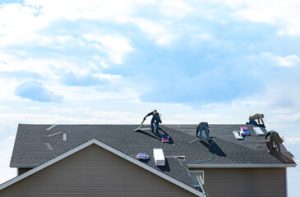
Reclaiming Shelter Through Smart Residential Roof Replacement

Every roof tells a story of time and wear. When it weakens, the home beneath it begins to lose its voice. Residential Roof Replacement Helena is not only a repair but a renewal of protection and comfort. It’s an act of rebuilding trust between structure and shelter.

Roofing

Modern replacements go beyond fixing damage. They embrace innovation, sustainability, and precision. The new approach blends materials and technology to create longer-lasting protection. Homeowners now expect roofs to perform as systems, not surfaces.

The decision to replace a roof often begins with small signs. Leaks, warping, or fading may appear ordinary but indicate deeper fatigue. A timely replacement prevents minor flaws from becoming structural threats. Every upgrade restores safety and improves efficiency.

Energy awareness has reshaped how replacements are planned. The roof now functions as part of an energy ecosystem. Reflective surfaces, insulation layers, and ventilation systems balance indoor climate. This integration reduces waste and promotes sustainable living.

Homeowners increasingly view roofing as an investment in longevity. It’s no longer about aesthetics alone but measurable returns. Lower maintenance costs and improved energy efficiency make replacements financially sound. The roof becomes a strategic asset, not just an overhead shield.

Technology drives this transformation. Drones and sensors now assess damage with accuracy once impossible. Digital modeling visualizes how new materials will perform under stress. This data-driven approach eliminates guesswork and enhances decision-making.

Weather unpredictability challenges traditional methods. Modern roofing must resist extremes without sacrificing design. Innovative coatings, flexible shingles, and smart underlays offer adaptability. The roof evolves into an intelligent guardian against the elements.

Replacement timing has become more calculated. Waiting too long invites hidden deterioration. Acting too early may waste functional years. Smart scheduling based on diagnostics ensures precision and resource efficiency.

The environmental footprint of roofing is also under scrutiny. Old materials once destined for landfills are now being recycled. Eco-friendly replacements use sustainable sources and longer life cycles. This shift redefines responsibility in construction practices.

Design harmony plays a larger role in modern projects. Homeowners seek roofs that merge form with function. Textures, colors, and patterns now complement architectural themes. A roof becomes a visual statement as much as a functional component.

Thermal control innovations are transforming roof systems. Materials that adapt to temperature fluctuations reduce stress and cracking. Smart membranes expand and contract seamlessly with climate shifts. This dynamic adaptability extends service life and enhances comfort.

Noise insulation has also entered roofing design. Denser layers absorb sound from rain and wind. This quiet resilience adds a new dimension to home serenity. Replacement projects now prioritize both comfort and calm.

Safety standards for replacements have risen significantly. Workers rely on advanced gear and digital monitoring for protection. Every replacement is a blend of craftsmanship and compliance. Safety is now built into the process, not just the outcome.

Waterproofing science has matured into an art. Multi-layer sealing systems protect against micro-leaks invisible to the eye. These advancements prevent rot, mold, and thermal imbalance. A well-sealed roof transforms humidity control into an invisible benefit.

Residential roof replacements now integrate digital tracking. Embedded chips record temperature, impact, and moisture exposure. This data helps predict maintenance schedules before damage occurs. Homeowners gain insights into performance without invasive inspections.

Aesthetic innovation allows customization beyond color and texture. Dynamic finishes shift hues with light, creating subtle variations. These visual effects reflect individuality and craftsmanship. The roof, once unnoticed, now contributes to curb appeal and character.

Home automation systems are influencing roofing trends. Some modern replacements include energy sensors linked to smart thermostats. This communication optimizes heating and cooling efficiency. Roofs have become responsive components of connected homes.

Fire resistance is another crucial evolution. Enhanced materials slow ignition and resist spreading heat. This advancement provides peace of mind for families in unpredictable conditions. Each layer of protection now serves multiple functions.

Ventilation design has turned scientific. Strategic airflow prevents moisture buildup and temperature imbalance. Proper ventilation extends both structural and interior lifespan. In replacements, it’s treated as an engineering priority, not an afterthought.

Lightweight materials are redefining roofing logistics. Transport, installation, and load distribution become more efficient. These materials reduce strain on the building while maintaining strength. The result is durability without unnecessary weight.

Maintenance predictability has replaced reactive repairs. Roof systems are designed for long-term stability and self-monitoring. This foresight reduces emergency interventions and long-term costs. Homeowners gain security through sustainability.

Modern replacements also emphasize weather intelligence. Surfaces designed to reflect ultraviolet light preserve their finish longer. Snow-shedding geometry prevents weight accumulation and stress. Every innovation aligns with real-world resilience.

The cultural view of roofing is changing too. Once a hidden utility, it’s now seen as an architectural signature. Homeowners celebrate it as part of personal expression and modern living. Roofs have ascended from background elements to focal features.

Material science continues to expand roofing possibilities. Composites now mimic natural textures while outperforming them. Nanotechnology improves resistance against corrosion and pollution. Each breakthrough shapes roofs that last longer and perform smarter.

Cost efficiency now depends on precision planning. Modern software simulates long-term value and material wear. Replacements can be projected over decades of performance data. This clarity transforms investment into informed confidence.

Noise during installation has been minimized through modern tools. Quieter machinery and pre-fabricated components reduce disruption. Homeowners can remain comfortable even during active work. Convenience now defines service quality.

Color stability is another achievement of current replacements. Advanced pigmentation prevents fading under sunlight. The visual appeal remains consistent across seasons and years. A durable appearance reflects the endurance beneath it.

Roofing underlays have evolved into multi-functional layers. They regulate moisture, enhance insulation, and provide backup waterproofing. Each sheet contributes silently to longevity. The unseen components now define the visible success.

Even the fasteners have been reimagined. Corrosion-resistant anchors maintain grip through temperature cycles. This micro-level precision prevents large-scale deterioration. Small details uphold structural integrity.

Urban development trends influence replacement priorities. Denser neighborhoods require roofs that manage noise, heat, and rainwater more efficiently. Green-ready structures accommodate solar integration and environmental balance. Roofing now supports sustainable communities.

Educational awareness among homeowners is increasing. People now study material science before approving replacements. Knowledge empowers better decisions and higher satisfaction. Roofing has become an informed collaboration between experts and clients.

The art of residential roof replacement continues to evolve. Each innovation, material, and method contributes to safer, smarter homes. The roof remains the first defense and the final expression of care. When replaced with vision, it becomes more than shelter—it becomes legacy.

The homes of the future will depend on roofs designed with intelligence and empathy. They’ll protect, conserve, and adapt effortlessly through decades. Every replacement today lays the foundation for that enduring vision. In the quiet strength above, tomorrow’s comfort begins.

Navigation