Author: Dora Vance

The Role of Waterproofing in Protecting Your Foundation

Foundation Repair

Pros Foundation Repair Greensboro NC offering several long-term benefits that help maintain structural integrity, improve indoor air quality, reduce repair costs and enhance property value.

Visible water puddles and moisture spots suggest foundation problems that may include structural weakening, mold or mildew growth and insect infestation. Waterproofing membranes and coatings prevent this damage and protect against future issues.

Structural Integrity

Waterproofing is an essential step in ensuring the structural integrity of your building. In addition to protecting the foundation from moisture, it can also prevent damage to your walls and roof. Having your building professionally assessed and repaired as soon as you see signs of structural issues can help you avoid costly, extensive repairs down the road.

Structural problems can be caused by a variety of factors, including environmental conditions, natural disasters, and the age of your structure. These problems can lead to structural deterioration, causing cracks and other damage in your home.

Waterproofing can be used to protect concrete, brick, timber and other materials from water infiltration. Depending on the type of waterproofing used, it can be effective for residential and commercial buildings, including basements, swimming pools, water tanks, underground garages, walkways, and other structures. The term “waterproof” refers to the ability of a material or structure to resist penetration of water in liquid or gas form, while “water-resistant” describes resistance to water vapor.

There are two main types of waterproofing: Dampproofing and waterproofing. According to the International Building Code, dampproofing is treatment of a surface or structure to retard the passage of water vapor and moisture, while waterproofing is protection from penetration of water in its liquid or gas forms. Dampproofing can be achieved using products such as cement backer boards, which are made of reinforced cement molded into sheets that are durable and able to withstand excessive moisture. Waterproofing can be achieved by installing coatings, membranes, or concrete additives such as special admixtures that reduce moisture absorption.

Having your home properly waterproofed is an important step in protecting your property from structural problems, such as mold and water seepage. In addition to waterproofing your foundation, it is also important to make sure that your home has proper drainage and soil moisture management. This includes directing rainwater away from your house, maintaining good soil compaction, and ensuring that all gutters are clean and functioning properly. Regular inspections and maintenance are essential to ensure that any potential issues are addressed promptly, helping you to avoid major repairs in the future.

Indoor Air Quality

Whether in the form of floods, puddles, wall and floor cracks or musty smells and staining, visible water damage is just one of many issues that building owners face. Waterproofing helps prevent these problems and protects a home or commercial structure from water leaks, contaminant leaks, mold, mildew, and other health hazards, ensuring structural integrity and improving the resale value of a property.

Waterproofing also protects against other invisible damage that can affect indoor air quality, like vapor and chemical leaks. These leaks may originate from combustion sources (like wood or coal heating, cooking appliances and fireplaces) or from a variety of other sources, such as cleaning products, paints, and insecticides. The link between these pollutants and adverse health effects is well documented, especially for those with preexisting respiratory conditions.

Local climate and seasonal changes can also affect groundwater levels, influencing the risk of water intrusion into buildings and structures. A waterproofing system designed to mitigate this issue should take into account factors such as prevailing rainfall and annual temperature fluctuations.

Choosing the right waterproofing strategy also requires consideration of the materials used in the construction of a building, as different materials absorb and react differently to water. This is particularly true of concrete, which can lose its strength when subjected to prolonged exposure to moisture. Waterproofing systems should be designed to address these issues, as well as the type of soil a structure is built on, and any other unique site-specific factors.

In addition to reducing the presence of harmful gases and chemicals, waterproofing membranes can also help reduce the amount of volatile organic compounds (VOCs) in the air. VOCs are often present in innocuous compounds such as glue and paint, and can cause a wide range of health problems, from headaches to cancer and respiratory ailments. VOCs are a particular concern for those with asthma and other respiratory conditions.

Waterproofing membranes not only help reduce VOCs but also reduce the presence of other common indoor air contaminants, such as radon, particulate matter and carbon monoxide. This is an important consideration, as a high level of IAQ contributes to the health and productivity of a building’s occupants.

Reduced Repair Costs

Waterproofing keeps water and contaminants out of structures, extending their longevity and ensuring that they meet environmental safety recommendations. This can help reduce repair costs for homes and businesses, especially if the structure is located in an area with high rainfall or earthquake risk.

In addition to keeping the water out, waterproofing also prevents it from entering and damaging your home or building’s foundation. When moisture enters a concrete or stone foundation, it can lead to structural damage, mold and mildew, and even a collapsed or weakened building structure. Waterproofing protects your investment by reducing the need for expensive repairs and replacements.

If you notice small cracks or damp spots near your foundation, it’s important to take action as soon as possible. These early signs can indicate that there is moisture in the soil and walls, which can increase over time.

Getting waterproofing and repairs done promptly can reduce the likelihood of severe problems later on, saving you money and stress. During the waterproofing process, your contractor will thoroughly inspect the surface to identify any issues. If a problem is found, your contractor will recommend the best solution for your needs.

It is also a good idea to schedule regular inspections and maintenance for your foundation. This way, you can catch any minor issues before they turn into serious problems. Waterproofing is a smart long-term investment for any homeowner or business owner, especially those in Florida where moisture and humidity are common problems.

When you’re choosing a waterproofing company for your project, it is important to choose one with experience and expertise. This is a job that requires careful handling of chemicals and working in tight crawl spaces. A contractor with a strong track record and proven results will save you the headache of dealing with costly mistakes. Professional waterproofing companies can ensure that your repair work is code-compliant, weather-resistant, and built to last, especially in Florida’s unpredictable climate. This can significantly reduce your future repair costs and give you peace of mind.

Increased Property Value

Waterproofing helps prevent damage that can lower the value of your home or business. It protects against structural damage and other problems caused by moisture that can lead to mold growth, musty odors, damp walls, and ceiling leaks. It’s important to take care of these issues early, before the problem gets worse and leads to bigger repair bills or costly structural damage.

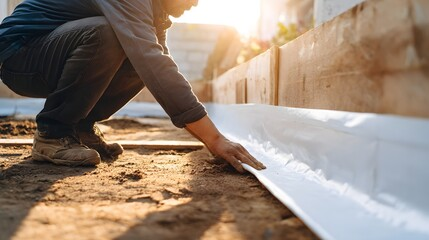
Waterproof coatings and membranes keep moisture out of concrete structures, like foundations, basements, roofs, patios, and balconies. They are formulated to resist both above-grade bulk water and below-grade water inflation due to hydrostatic pressure. They are available in both liquid and sheet membranes that are designed to hold up to Florida’s climate challenges.

When a waterproofing system is properly installed, it creates a barrier that stops moisture from seeping through cracks in your concrete or mortar. It also protects against ground movement, which can be a problem for slab and crawlspace foundations. Proper waterproofing includes a drainage layer that moves water away from the foundation and to gutters.

It is important to get foundation waterproofing done by a licensed and experienced professional. They will use products that are designed to handle heavy rainfall, humidity, and shifting soil. They will also use materials that are nontoxic and resistant to mold growth.

The most important reason to invest in waterproofing is that it will save you money over time. A well-waterproofed foundation reduces the need for repairs and maintenance and can help protect your family’s health and safety.

Watch for signs of dampness and water damage around your foundation, such as musty odors or dark spots on your walls and ceilings. If you notice these signs, call a professional right away to get your foundation waterproofed. Doing so will help protect your investment and prevent problems that can lead to costly repairs later on.
Breaking Down the Old: The Future of Rubbish Removal and Demolition

Rubbish removal and demolition are no longer just about clearing spaces. They are becoming vital forces in reshaping how environments evolve. What was once considered waste is now viewed as a resource. The shift from disposal to transformation defines the future of these industries.

Rubbish Removal

Modern demolition is as much about precision as it is about power. Gone are the days of indiscriminate tearing down. Today’s projects are carefully planned to minimize impact and maximize material recovery. Each phase is calculated to ensure safety, efficiency, and sustainability.

The integration of advanced technology has revolutionized demolition practices. Robotic equipment and remote-controlled machines now handle complex tasks. These tools improve accuracy and reduce risks for workers on site. Efficiency is enhanced while maintaining strict safety standards.

Sustainability has become the central goal in rubbish removal and demolition. Materials that were once discarded are now sorted, salvaged, and repurposed. Metals, wood, concrete, and glass can be given second lives in new projects. This approach reduces landfill waste and conserves natural resources.

Deconstruction is a rising alternative to traditional demolition. Instead of destroying structures quickly, they are dismantled piece by piece. Valuable components are preserved and reused. This method takes longer but greatly reduces environmental harm.

Selective demolition is another innovation reshaping the industry. Only certain parts of a building are removed while others remain intact. This allows for renovation and adaptation rather than complete destruction. The result is less waste and more efficient use of materials.

Rubbish removal is also undergoing a major transformation. The focus is shifting from bulk disposal to intelligent waste management. Sophisticated sorting systems separate recyclables, hazardous materials, and compostable items. Each type of waste follows a specific path for reuse or safe disposal.

The role of data and analytics in rubbish removal is growing rapidly. Waste composition is analyzed to improve collection strategies and recycling efficiency. Predictive models help plan disposal routes and reduce fuel consumption. The process becomes smarter and more environmentally responsible.

Circular economy principles are influencing both demolition and waste management. The goal is to keep materials in use for as long as possible. Buildings are seen as material banks rather than disposable structures. This mindset reduces the demand for virgin resources and lowers environmental impact.

Urban redevelopment projects are increasingly integrating demolition as part of a larger vision. Old structures are removed to make way for more efficient, eco-friendly spaces. The demolition process becomes the first step in sustainable urban transformation. It sets the stage for future growth and innovation.

Community engagement has also become crucial in modern demolition projects. Residents are informed and involved throughout the process. Transparent communication reduces disruptions and builds trust. The community becomes a partner rather than a bystander.

Environmental protection is now deeply woven into demolition practices. Dust suppression systems, noise reduction techniques, and emission controls are standard. These measures protect both workers and nearby residents. They also minimize the ecological footprint of the demolition process.

The safe handling of hazardous materials is a key challenge. Older buildings often contain asbestos, lead, and other dangerous substances. Specialized teams are trained to remove and dispose of these materials safely. Their work ensures compliance with regulations and protects public health.

Innovation in demolition materials is also taking shape. Explosives and heavy machinery are now complemented by cutting-edge techniques. High-pressure water jets, controlled thermal processes, and chemical dismantling are being explored. These methods offer more precision and less environmental disruption.

The demolition of outdated infrastructure is vital for modernizing cities. Aging bridges, factories, and warehouses are being removed to make space for new developments. The careful removal of these structures revitalizes landscapes. It also enhances safety and opens opportunities for smarter construction.

Rubbish removal services are adapting to the demands of modern living. Increased consumer waste and rapid urbanization require flexible and scalable solutions. On-demand collection, automated sorting facilities, and recycling hubs are meeting these needs. The system becomes more responsive and efficient.

The rise of green building practices has created new challenges and opportunities. Demolition teams must plan how to preserve materials for sustainable construction. Rubbish removal companies are essential partners in this process. Together, they close the loop in the building lifecycle.

Digital tools are reshaping how demolition projects are planned and executed. 3D modeling and virtual simulations allow teams to test strategies before physical work begins. This reduces errors, saves time, and improves safety outcomes. Technology ensures that every step is optimized.

The economics of rubbish removal and demolition are shifting. Reclaimed materials are becoming valuable commodities. Salvaged bricks, metals, and fixtures are in demand for new construction. What was once waste now holds real market value.

Social responsibility is an emerging focus within the industry. Companies are working to minimize the disruption their operations cause to communities. Initiatives like noise-free scheduling, job creation, and local material donations build goodwill. Demolition and waste removal can serve broader social purposes.

Smaller-scale demolition is also becoming increasingly relevant. Interior gutting, selective wall removal, and micro-demolition projects cater to renovation needs. These require specialized tools and expertise. They are essential for adaptive reuse of existing spaces.

The future of rubbish removal will likely involve decentralized systems. Localized processing facilities will handle waste closer to its source. This reduces transportation emissions and increases recycling rates. Communities become active participants in waste management.

Zero-waste demolition is an ambitious but achievable goal. Through careful planning, material separation, and reuse, almost nothing needs to go to landfill. Each project becomes a demonstration of circular economy principles in action. This model is shaping the future of construction and demolition.

Collaboration between architects, demolition experts, and waste managers is becoming vital. Design decisions made at the beginning of a building’s life can ease its eventual deconstruction. Materials chosen for reusability simplify future removal. This lifecycle thinking is redefining how structures are conceived.

Climate resilience is another driver of change. More frequent natural disasters require demolition and waste systems that can respond quickly. Emergency debris removal and rapid rebuilding strategies are being developed. Preparedness becomes part of the core mission.

Education and training are key to advancing these fields. Workers must be skilled in new technologies, safety protocols, and sustainable practices. Continuous learning ensures that the industry evolves with changing demands. Skilled professionals are the foundation of future progress.

Cultural heritage considerations add complexity to demolition projects. Historical structures require careful documentation and preservation of valuable elements. Even when removal is necessary, the memory of the past is respected. This balance honors history while embracing progress.

The aesthetics of demolition sites are also receiving attention. Temporary barriers, green screens, and noise walls improve public perception. Clean, organized workspaces reflect professionalism and care. Presentation matters as much as performance.

Public policy plays a significant role in shaping the industry’s direction. Regulations encourage recycling, limit landfill use, and promote deconstruction practices. Incentives for material recovery make sustainable options more attractive. Legislation aligns business interests with environmental goals.

In the future, demolition and rubbish removal may become fully integrated services. From initial planning to final cleanup, one team could handle every stage. This unified approach streamlines processes and reduces costs. It also ensures consistent sustainability standards.

The concept of “design for disassembly” is gaining attention. New buildings are being designed with their future removal in mind. Components are built for easy separation and reuse. This forward-thinking approach revolutionizes how structures are built and dismantled.

Demolition and rubbish removal are no longer end-of-life services. They are critical stages in a continuous cycle of creation, transformation, and renewal. The industry is evolving from destruction to regeneration. Every cleared site becomes a canvas for new possibilities.

The future of these fields lies in innovation, collaboration, and environmental stewardship. They are becoming essential components of a sustainable, circular economy. They help cities grow smarter, cleaner, and more resilient. Their work shapes not just landscapes but the way humanity builds and rebuilds.

Ultimately, rubbish removal and demolition are about more than clearing away the old. They are about making room for what comes next. They are about respecting resources, protecting the planet, and designing for the future. In their power to dismantle, they hold the potential to create a better world.

Navigation