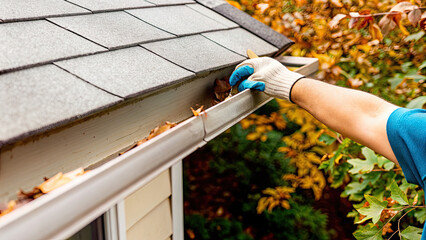
Rain tells the story of every roof. But gutters shape how that story ends, guiding water with purpose and precision. The transformation of modern gutter services has moved far beyond simple maintenance. It has become an art of protection, sustainability, and intelligent design.

Today’s gutter services are no longer about reacting to damage but about preventing it before it begins. Specialists now use predictive technologies to identify weak points even before rainfall tests them. Sensors, drones, and imaging tools have entered the service toolkit. This evolution marks a shift from repair to anticipation.
Materials have also taken a revolutionary turn. Traditional metals are being replaced by advanced composites that resist corrosion and adapt to weather extremes. These materials expand and contract naturally with temperature changes, preventing cracks and leaks. The result is a system built for endurance, not just function.
The focus on sustainability has reshaped the philosophy of gutter services. Many modern systems now include eco-conscious features that redirect rainwater into storage or filtration setups. This reduces runoff waste and provides usable water for household or garden needs. Gutters now participate in conservation rather than merely collection.
Smart technology has begun to redefine what gutter systems can do. Connected sensors detect debris buildup and send maintenance alerts directly to homeowners. This minimizes costly overflows and ensures year-round efficiency. Gutter services have entered the digital age, blending craftsmanship with connectivity.
In design, aesthetic integration has become equally important. Gutters are now tailored to blend with architectural styles rather than interrupt them. Hidden systems, color matching, and sleek linings make them nearly invisible to the eye. Function and form now share equal value.
The rise of modular gutter systems has simplified both installation and replacement. These systems can be adjusted or extended without dismantling the entire structure. Flexibility saves time, labor, and resources. It also allows for adaptive solutions in evolving home designs.
Maintenance has also become more scientific than manual. Instead of waiting for signs of clogging, service teams employ diagnostic tools to monitor flow capacity. High-definition inspection cameras identify even the smallest blockages. Precision maintenance means longer life and fewer surprises.
Another new trend in gutter services is bio-filtration. Some advanced designs integrate small ecosystems that use natural materials to filter and purify runoff. Moss beds, stones, and microbial layers transform ordinary gutters into living systems. The technology turns a drainage tool into an environmental ally.
Safety in service execution has improved dramatically too. Robotics and telescopic cleaning devices now minimize human exposure to heights. These innovations reduce accidents and increase service quality. Gutter maintenance is becoming safer, faster, and smarter with each passing year.
Gutter customization has reached a new peak. Property owners can now design flow patterns that accommodate unique roof geometries. Tailored angles, expanded troughs, and adjustable downspouts redefine precision. This personal approach ensures every structure gets the protection it truly needs.
Urbanization has also pushed gutter technology to adapt to compact environments. Slimline systems designed for limited space manage heavy rainfall with advanced flow optimization. They prevent flooding even in dense construction zones. The result is a system that thrives where space is scarce but efficiency is essential.
Noise reduction has also entered the innovation landscape. Modern gutter systems use sound-absorbing linings that silence the rush of water. Even during heavy downpours, interiors remain tranquil. Comfort now flows alongside functionality.
Climate adaptation is another new focus in gutter service advancements. Systems are now engineered to handle unpredictable weather cycles—sudden storms, extended droughts, or fluctuating temperatures. Self-adjusting components maintain performance across varying conditions. The system evolves as the climate does.
Durability is no longer measured only in years but in resilience. New coatings shield against rust, acid rain, and debris corrosion. Even salty air and urban pollution find resistance in these improved finishes. The future of gutter longevity lies in chemistry as much as construction.
In addition, gutter services are embracing circular economy principles. Components are being designed for reuse or recycling, minimizing waste from replacements. Old systems are repurposed rather than discarded. Every project becomes part of a sustainable cycle.
The role of water management in environmental design has grown significantly. Gutters now work hand-in-hand with green roofs, rain gardens, and sustainable landscapes. This integration transforms water redirection into ecological enrichment. The flow from roofs nourishes rather than floods.
For commercial establishments, gutter services have evolved into risk management systems. Precision drainage prevents costly water intrusion and structural damage. Predictive maintenance ensures business continuity even in extreme weather. What was once simple upkeep now protects entire investments.
Residential innovation, however, carries its own narrative. Homeowners today view gutter systems as part of holistic home care rather than a hidden feature. Gutter services now include education about upkeep, sustainability, and smart integration. Awareness has become as vital as installation.
In many new developments, architects collaborate directly with gutter specialists. This ensures systems are built into the design from the start, not added later. Such coordination enhances performance and preserves aesthetic harmony. Gutter planning now begins at the blueprint stage.
Automation has made significant strides in this field as well. Robotic gutter cleaners can traverse entire rooflines autonomously. They remove debris and flush pathways using minimal water. What once required ladders now happens with precision robotics and AI guidance.
Another fascinating advancement involves hydrophobic coating technology. These coatings cause water and debris to glide effortlessly off surfaces. Leaves, twigs, and dirt have less chance to accumulate. Gutters stay clean longer and flow remains uninterrupted.
Thermal adaptation systems are also emerging in areas with cold climates. Self-regulating heating elements prevent ice buildup and expansion cracks. These systems activate only when temperatures drop below a set point. Efficiency meets intelligence in every frozen droplet that never forms.
Airflow optimization within downspouts has quietly revolutionized drainage capacity. By reducing back pressure, systems now move water faster without enlarging the structure. The principle mimics aerodynamic design, applied vertically. It’s a subtle engineering marvel hidden in plain sight.
Even debris management has taken a futuristic approach. Some gutters now feature auto-flush mechanisms triggered by rainfall intensity. This ensures that heavy storms naturally clean the system as they pass. Maintenance becomes a built-in function of weather itself.
Energy harvesting from rainwater flow is another frontier under exploration. Miniature turbines inside gutters convert kinetic energy from rainfall into electricity. Though still experimental, the concept could power small devices or sensors within the home. The humble gutter may soon generate more than drainage.
Acoustic engineering has influenced modern designs too. Engineers are studying the sound frequencies of dripping and flow to create systems that harmonize noise. Instead of irritating drips, users experience a soft ambient tone. Comfort extends to the senses beyond sight and temperature.
Material innovation continues to expand possibilities. Some systems are now made from self-healing polymers that repair micro-tears autonomously. This drastically extends lifespan and reliability. It also represents a leap toward maintenance-free functionality.
The aesthetics of gutter systems have also evolved into architectural statements. Designers are experimenting with minimalist lines, reflective coatings, and concealed drains. Gutters no longer disrupt visual flow—they enhance it. The modern roofline feels complete, not cluttered.
Digital monitoring platforms now allow real-time inspection and reporting. Homeowners can track flow rates, blockages, and even air quality changes linked to water runoff. This transparency transforms maintenance into data-driven stewardship. Every drop tells a story of performance.
Ecological awareness has brought attention to rainwater purity. Gutters now play a key role in clean water management by incorporating first-flush diverters. These devices separate contaminants from initial rainfall, preserving cleaner water for reuse. It’s an unseen yet vital environmental safeguard.
Maintenance services themselves have embraced digital scheduling and subscription models. Predictive software calculates optimal cleaning times based on weather forecasts. This eliminates unnecessary service calls while ensuring readiness. Technology brings order to nature’s unpredictability.
Education is also a growing part of gutter service culture. Workshops and online platforms now teach homeowners about system care and environmental impact. This knowledge fosters community involvement in sustainable water management. The modern gutter movement is as much about awareness as it is about tools.
For heritage properties, specialized gutter services preserve historical integrity while upgrading efficiency. Restoration experts use materials that mimic classic designs but meet modern standards. The balance of preservation and innovation defines this niche craftsmanship.
The economic value of advanced gutter systems extends beyond their function. Properties equipped with sustainable and efficient systems command higher market appeal. Potential buyers associate them with long-term savings and environmental responsibility. Gutters quietly contribute to property worth.
The emotional comfort of a well-managed drainage system is rarely discussed but deeply felt. Knowing that heavy rain poses no threat brings peace of mind. This sense of security transforms the way people experience their homes during storms. Gutters become symbols of calm under pressure.
As urban resilience becomes a global priority, gutter systems serve as micro-level infrastructures of defense. They mitigate flooding, erosion, and property degradation one roof at a time. Every functional gutter contributes to broader environmental balance. The impact is both personal and planetary.
Looking toward the future, the intersection of automation, ecology, and architecture will continue to define gutter services. Systems will grow more adaptive, self-sufficient, and elegantly integrated. The once-overlooked feature of every roof now stands at the forefront of design evolution.
In essence, modern gutter services tell a story of quiet innovation. What was once a simple trough for water has become a nexus of technology, sustainability, and safety. It is a craft reborn through science and imagination. As rain falls, these systems do more than channel it—they redefine how protection feels.